The Brandywine Valley is one of America's great cultural landscapes — birthplace of the most influential school of American illustration, home to world-class museums, and a living tradition of artistic excellence that spans 150 years. This is what NCIC offers international partners who are ready for something deeper than a trade deal.
In the 1890s, a Wilmington illustrator named Howard Pyle began teaching a small group of students in his studio near the Brandywine River. What he started would become the most influential school of American illustration in history.
Pyle's students included N.C. Wyeth, Maxfield Parrish, Harvey Dunn, and — indirectly — Norman Rockwell. The Brandywine School's emphasis on storytelling, light, and authentic American experience shaped the visual language of the 20th century — from the covers of The Saturday Evening Post to the illustrations of Treasure Island.
Today, the Brandywine tradition continues at the Brandywine River Museum of Art in Chadds Ford, Pennsylvania — just minutes from Wilmington — which houses the world's most comprehensive collection of Wyeth family paintings and Brandywine School works.
For international partners seeking authentic American cultural programming — artist residencies, curriculum integration, museum partnerships, traveling exhibitions — the Brandywine tradition is a uniquely powerful asset.
Home to the most significant collection of English Pre-Raphaelite art outside the United Kingdom, alongside an exceptional collection of American illustration — including the Howard Pyle collection that traces the Brandywine School to its source.
The definitive collection of Wyeth family paintings and Brandywine School works. Set along the scenic Brandywine River in a converted 19th-century grist mill. One of the most visited museums in the Mid-Atlantic region.
The world's premier collection of American decorative arts, housed in the former home of Henry Francis du Pont. 175 rooms spanning 1640-1860. Also home to a renowned conservation research program.
The site of E.I. du Pont's original black powder mills on the Brandywine Creek — the founding of Delaware's industrial legacy. Hagley chronicles American business, technology, and industrial history from 1802 to the present.
A significant collection spanning African American art, mineralogy, and decorative arts. Home to the Paul R. Jones Collection — one of the most important collections of African American art in the country. The UD Art Conservation program is nationally renowned.
One of the largest art museums in the United States. Encyclopedic collection spanning 2,000 years and five continents. 30 minutes from Wilmington, with direct SEPTA rail access. Significant Asian art collection including Chinese decorative arts.
NCIC facilitates cultural exchange programming that goes beyond tourism — creating lasting institutional relationships and genuine cross-cultural understanding between communities.
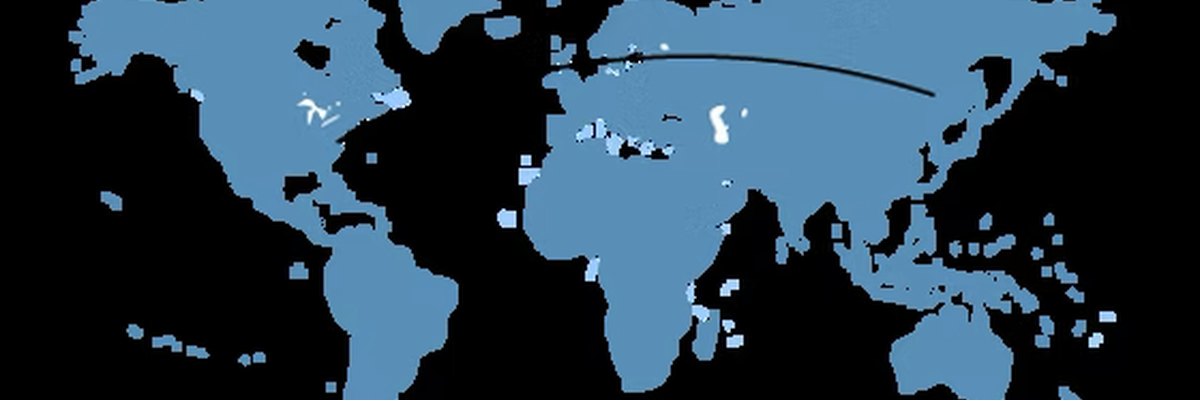
Facilitate placement of Chinese artists in Brandywine Valley studios and Delaware arts organizations. Reciprocal placement of American artists in Qiqihar cultural institutions.
Develop joint exhibition programs between Delaware museums and Qiqihar cultural institutions — bringing Brandywine School works to China and Chinese contemporary art to Delaware.
Summer and semester arts programs for Chinese students at Delaware institutions — focusing on American illustration, decorative arts, and conservation science.
Develop curated cultural itineraries for Chinese visitors — the Brandywine Valley, Wilmington arts district, Philadelphia's world-class museum mile — as part of sister city relationship programming.
Coordinate performing arts exchanges — music, dance, and theater programs — between Delaware and Qiqihar performing arts institutions and student groups.
Celebrate the food cultures of both regions — Delaware's agricultural heritage and Qiqihar's organic food tradition — through chef exchanges, restaurant programming, and food industry events.
We work with museums, arts organizations, cultural institutions, and government cultural affairs offices to develop meaningful international exchange programs.